
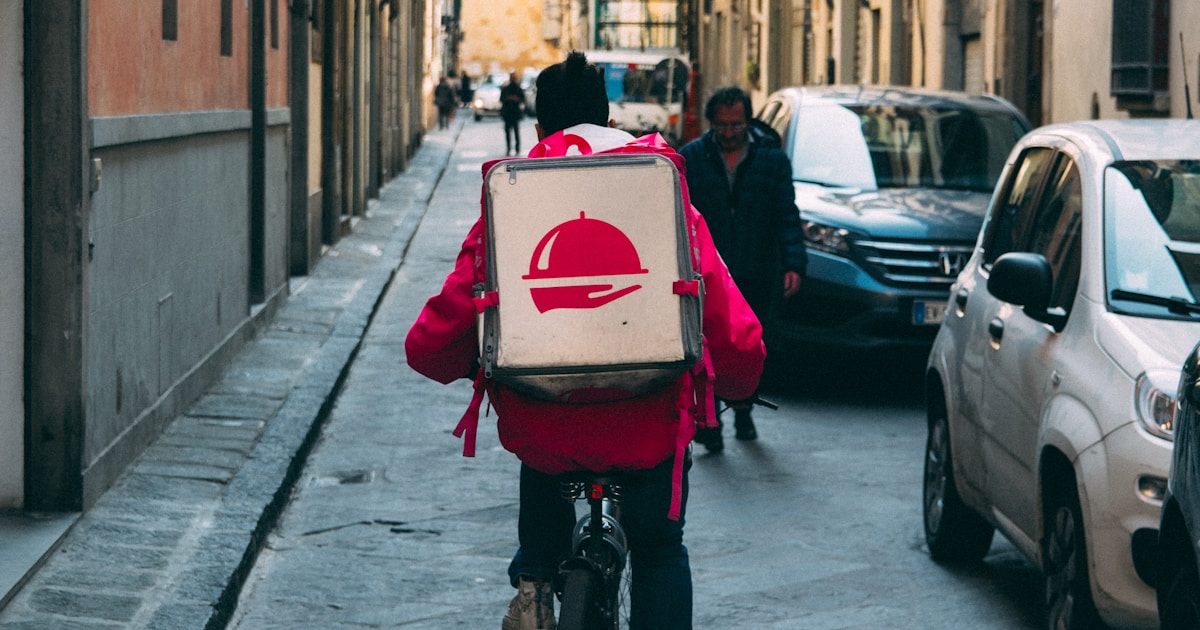
Your kitchen can plate a perfect dish, but if it arrives cold, soggy, or leaking, the customer will never know how good it was. In delivery, the last thing your guest experiences is not your food. It is your packaging. And in 2026, that packaging decides whether they order from you again or tap a competitor next time.
The stakes are bigger than a single unhappy customer. A widely cited Circuit survey found that nine out of ten customers have had a food delivery order go wrong. Of those, 52 percent asked for a refund and 40 percent simply ordered from a different restaurant next time. Poor packaging is one of the fastest ways to lose both the margin on today’s order and the customer behind it.
Why packaging quietly kills profit
When an order arrives damaged, you pay for it more than once. There is the refund itself. There is the remake if you catch it in time. There is the one-star review that scares off future guests. And on third-party apps, refunds for quality complaints are often issued automatically, with little recourse for you to dispute them.
A grease-soaked bag, a collapsed container, or a spilled drink turns a profitable order into a loss. Multiply that across a busy Friday night and packaging failures become one of the most expensive problems in your operation, hiding in plain sight.
Match the container to the dish
Most delivery complaints trace back to a mismatch between the food and its packaging. Fries that steam in a sealed box turn limp. Sauces poured over crispy items ruin texture. Hot and cold components packed together ruin both.
- Vented containers for anything fried or crispy, so steam escapes instead of soaking the food.
- Separate cups and sleeves for sauces and dressings, added at the customer’s discretion rather than pre-poured.
- Leak-proof, secure closures for soups, curries, and saucy dishes that shift during transit.
- Insulated bags or thermal liners to hold temperature on longer routes.
- Divided trays to keep hot and cold, wet and dry components apart.
You do not need the most expensive packaging on the market. You need the right packaging for each item on your menu.
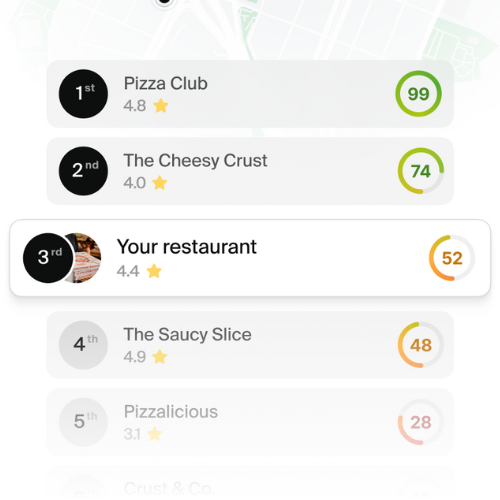
See how your restaurant ranks locally
Seal every order for trust
Tamper-evident seals or stickers do two jobs at once. They reassure customers that no one touched their food in transit, and they give your team a simple final checkpoint before an order leaves the kitchen. A quick seal-and-check step catches missing items, wrong lids, and forgotten utensils before they become a complaint.
This small habit also protects you on delivery platforms. When an order is sealed and photographed, disputes about missing or tampered items become far easier to push back on.
Turn the unboxing into marketing
Here is where packaging stops being a cost and becomes a growth channel. Every delivery bag lands in a customer’s home with their full attention. That is prime real estate most restaurants waste.
Add a small insert, a branded sticker, or a printed card with a QR code that sends customers to your own ordering channel. The message is simple: order directly next time and skip the third-party markup. A returning customer who orders through your own site keeps you off the commission treadmill entirely.
Include a reason to come back, too. A code for free delivery on the next direct order, or a loyalty enrollment link, turns a one-time app customer into a repeat direct guest. The packaging you already pay for does the marketing for free.
Test packaging like your customers do
Before you commit to any container, run your own delivery test. Pack a full order, drive it around for 20 to 30 minutes, then open it. Is the food still hot? Did anything shift or leak? Would you be happy paying for this? If not, your customers will not be either.
Repeat this whenever you add a dish, change a supplier, or expand your delivery radius. Packaging that works for a 10-minute trip can fail badly at 30 minutes.
Small changes, real margin
Better packaging is one of the rare restaurant investments that pays back on both sides of the ledger. It cuts refunds, remakes, and bad reviews, and it opens a direct line to bring customers back on your own terms. In a business where delivery margins are already thin, protecting every order that leaves your kitchen is not optional.
Nail the packaging, and then give your customers a commission-free way to order again. That is how a single delivery becomes a loyal, repeat direct guest.
Get commission-free delivery orders with RAY

