
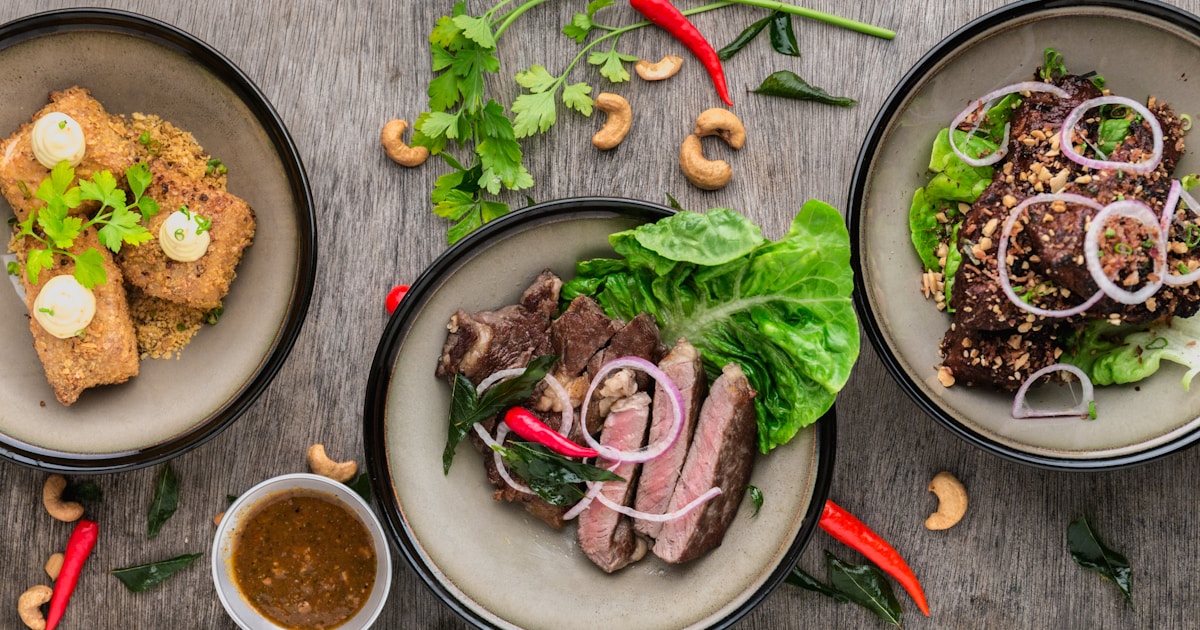
Your restaurant website has about three seconds to convince a hungry visitor to stay, browse your menu, and place an order. More often than not, the deciding factor is not your copy or your design. It is your photos. Menu items shown with a high-quality photograph sell up to 30% more than the exact same item listed as plain text, and DoorDash found that dishes with images generate 44% more sales.
If your website still leans on stock photos, dim phone snapshots, or no images at all, you are leaving orders on the table every single night. Here is how to fix it.
Why photos drive orders
People eat with their eyes first. When a guest cannot smell your kitchen or see the steam rising off a plate, a great photo does that selling for you. One study found diners browsing a digital menu were 65% more likely to add an item to their cart when a clear photo was attached.
On your own website the effect is even stronger than on a delivery marketplace, because you control the layout. A full-width hero shot of your signature dish sets the tone the moment the page loads, and well-shot menu thumbnails turn casual browsing into a confident tap on “order now.”
Shoot in natural light
The single biggest upgrade most restaurants can make costs nothing: shoot near a window during the day. Natural light remains the top food photography trend in 2026 because it renders color and texture honestly, without the orange cast of overhead bulbs or the harsh glare of a phone flash.
Place the dish so the light comes from the side or slightly behind it. Side light reveals texture, the crust on bread, the gloss on a sauce, the char on grilled vegetables. Avoid direct overhead restaurant lighting, which flattens food and casts unflattering shadows.
Pick the right angle
Not every dish photographs well from the same height. A reliable rule: shoot most plated food from a three-quarter angle, somewhere between zero and 45 degrees. This shows depth, surface texture, and portion size in a single frame, which is exactly what a hungry visitor wants to judge.
Reserve the flat overhead shot for spreads, pizzas, bowls, and tables full of dishes where the layout is the story. Use a straight-on side angle for tall items like burgers, layered cakes, or a frosty draft beer.
Keep it real, not perfect
Glossy, over-styled food shots are fading. In 2026 diners engage more with images that feel real: a few crumbs on the board, a hand reaching in, steam still rising, the natural mess of a dish being enjoyed. Neutral tones and rustic textures, wood, linen, ceramic, read as authentic and appetizing.
The goal is not a magazine cover. It is a photo that looks like the actual plate a guest will receive. Honest photos also protect you from disappointed customers and bad reviews when the real dish arrives.
Optimize photos for speed
A beautiful photo that takes four seconds to load is worse than no photo at all, because the visitor leaves before it appears. Image weight directly affects both conversion and your Google ranking.
- Right size: Use roughly 1200 by 800 pixels for menu items, a 3:2 landscape that renders cleanly on phones and desktops alike.
- Compress hard: Get each image under 200KB with a free tool like Squoosh. Done right, the quality loss is invisible to the eye.
- Use modern formats: Serve WebP instead of JPEG where you can for smaller files at the same quality.
- Add alt text: Describe each dish in the image alt attribute so Google and AI assistants understand your menu.
Be consistent across the menu
A website where half the dishes have photos and half do not looks unfinished, and it quietly tells guests the un-photographed items are less worth ordering. If you cannot shoot everything at once, start with your top ten sellers and the high-margin dishes you most want to push.
Keep a consistent style: the same lighting, similar backgrounds, and matching angles. A cohesive gallery makes even a small menu feel polished and professional.
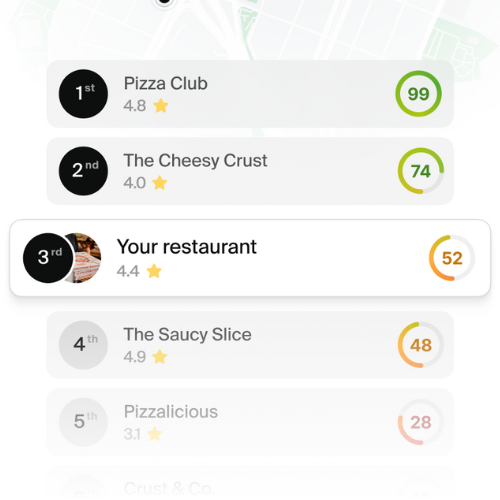
See how your restaurant ranks locally
Put photos to work
Photos are only half the equation. Once a guest is sold on a dish, the path to ordering has to be just as smooth. Pair your new images with a fast, mobile-first website that lets visitors order directly, without bouncing to a third-party app that skims a commission off every sale.
Great food photography is one of the highest-return upgrades a restaurant can make. A single afternoon by a window, a little compression, and a consistent style can lift orders measurably, all from traffic you are already getting.
Build a fast, order-ready restaurant website with RAY

